RoboHarness 🏇: A Memory-Augmented Policy Harness for Vision-Language-Action Model Robustness via In-Context Adaptation
RoboHarness is a memory-augmented policy harness that upgrades frozen Vision-Language-Action (VLA) policies for robust in-context adaptation without parameter fine-tuning, via contrastive Dual-Memory RAG, an attribution-driven vision-language orchestrator implemented with a multimodal large language model, Dynamic MCP Interventions, and Offline Memory Consolidation.
(LIBERO-PRO + LIBERO-RoboHarness)
(Long-Horizon Task Chaining)
Core Highlights
Dual-Memory RAG
Contrastive retrieval from both success and failure memory banks for stable, low-cost intervention planning.
Vision-Language Orchestrator
LLM-based strategic planner that generates precise tool-chain plans and task refinements.
Dynamic MCP Interventions
Extensible visual tools (overlay, distractor removal) and control flow (rollback, decomposition).
RoboHarness Framework
Here, we demonstrate how RoboHarness perceives visual input and retrieves historical experience to handle image/task prompts without requiring VLA fine-tuning, leading to a higher success rate.
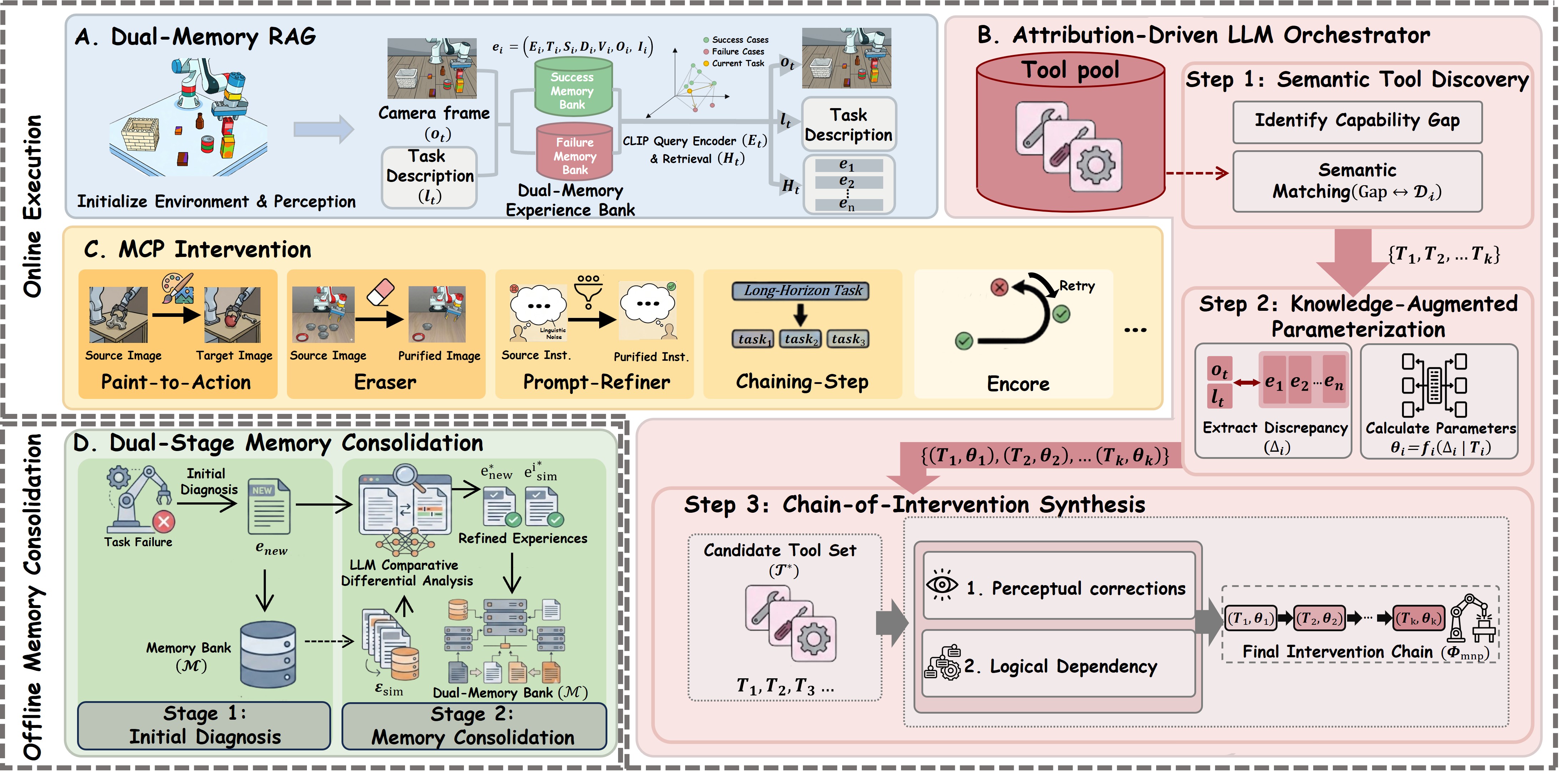
Figure 1: Overview of the RoboHarness framework architecture.
Generalization Performance Demos
Our experiments are based on the LIBERO Benchmark. We modified LIBERO to create LIBERO-RoboHarness and also utilized LIBERO-PRO to evaluate robustness.
Visual Intervention Tools
| MCP Tool | Task Prompt | Origin Image | Modified Image | Success Output |
|---|---|---|---|---|
| Visual Overlay | "Pick the red bowl from center of the cross formation and place it on the plate" | 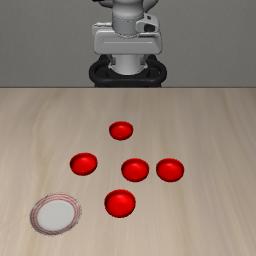 |
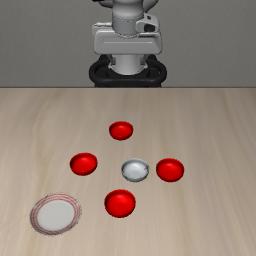 |
|
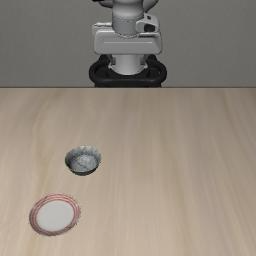
| Distractor Remove | "Pick the black bowl from left of the cross formation and place it on the plate" | 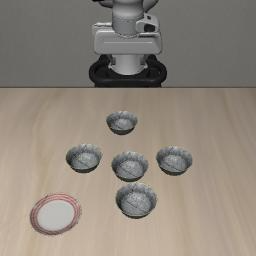 |
 |
Text & Task Refinement Tools
| MCP Tool | Original Prompt | Refined Prompt | Observation | Success Output |
|---|---|---|---|---|
| Prompt Simplify | "Hey, umm... look down there. Can you grab that bottle? You know, the one for fries? Yeah, put it in the basket." | "Pick the red sauce bottle and place it in the basket" | 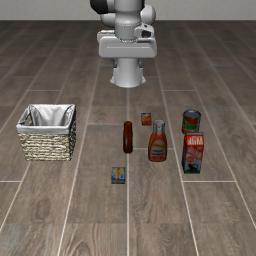 |
|
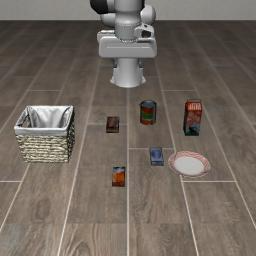
| Task Decompose | "Sort the items: milk and cream cheese into the basket" |
[SubTask-1] "Pick the milk and place it in the basket." [SubTask-2] "Pick the cream cheese and place it in the basket." |
 |
More Experiment Results & Ablation Studies
Quick Glance KPI
| Metric | Baseline | RoboHarness | Gain |
|---|---|---|---|
| LIBERO-PRO Avg (Pos) | 2.33% | 57.2% | +54.87% |
| LIBERO-PRO Avg (Task) | 0.86% | 55.2% | +54.34% |
| Dual-Memory Avg Turns | 7.40 (No Memory) | 1.07 | -85.5% |
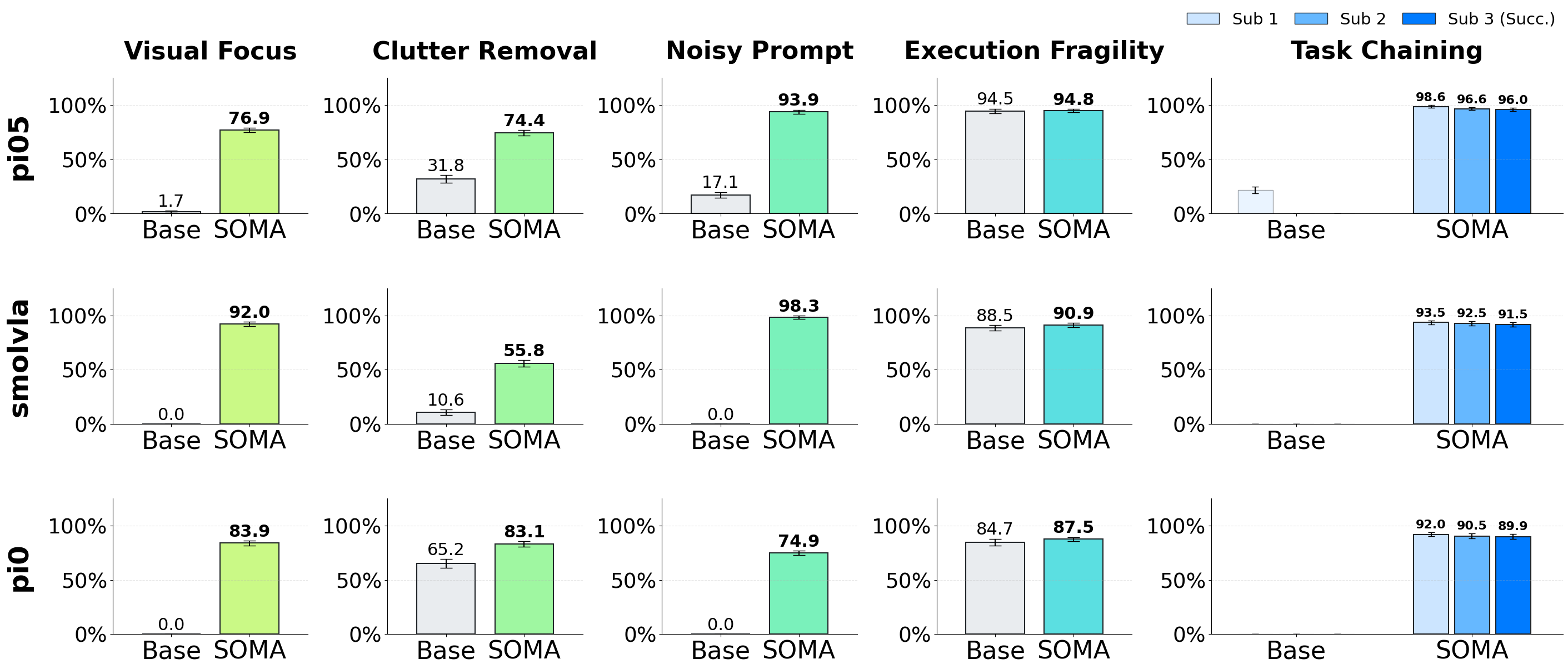
Figure: Main performance comparison across visual, linguistic, and long-horizon OOD challenges.
RoboHarness consistently reduces sensitivity to sensory noise, linguistic ambiguity, execution instability, and long-horizon error accumulation.
Ablation Study
Dual-Memory Ablation
| Memory Setting | Avg. Turns | First-Turn Score |
|---|---|---|
| No Memory | 7.40 | 60.0 |
| Failure Only | 7.33 | 73.75 |
| Success Only | 1.47 | 91.07 |
| RoboHarness (Dual) | 1.07 | 96.3 |
RAG Richness Ablation
| RAG Config | Success Rate |
|---|---|
| No-RAG | 19.2% |
| Limited-RAG | 48.8% |
| Rich-RAG (RoboHarness) | 60.1% |